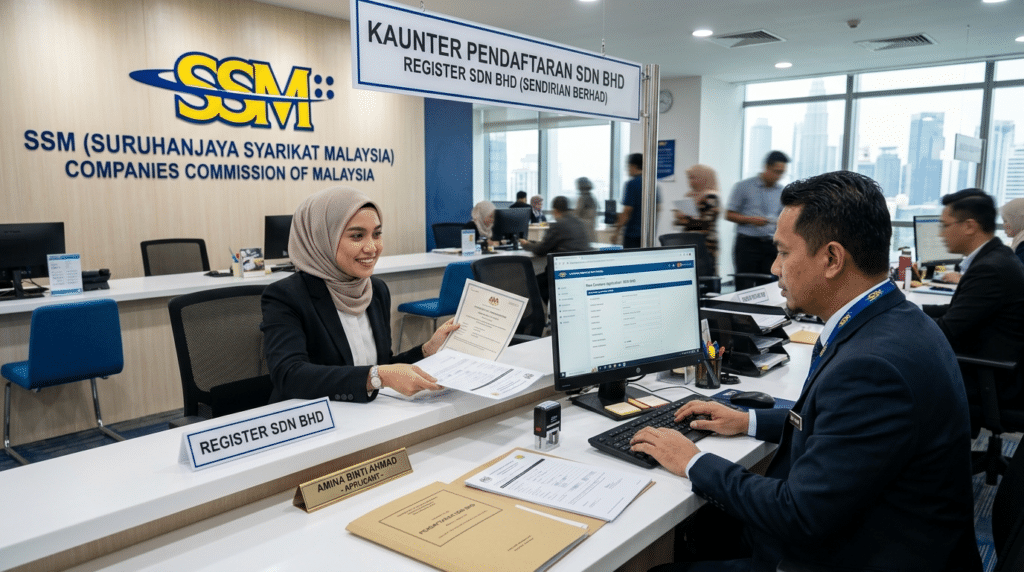
Every Sdn Bhd is required to keep a set of records, and these are the first things a bank, an investor, an auditor or SSM asks to see. A statutory register Malaysia companies must maintain is not just paperwork. It is the legal record of who owns the company, who runs it, and what decisions have been made.This guide explains which registers and records you must keep, where to keep them, how long to keep them, and the mistakes that cause problems later.
What Is a Statutory Register in Malaysia?
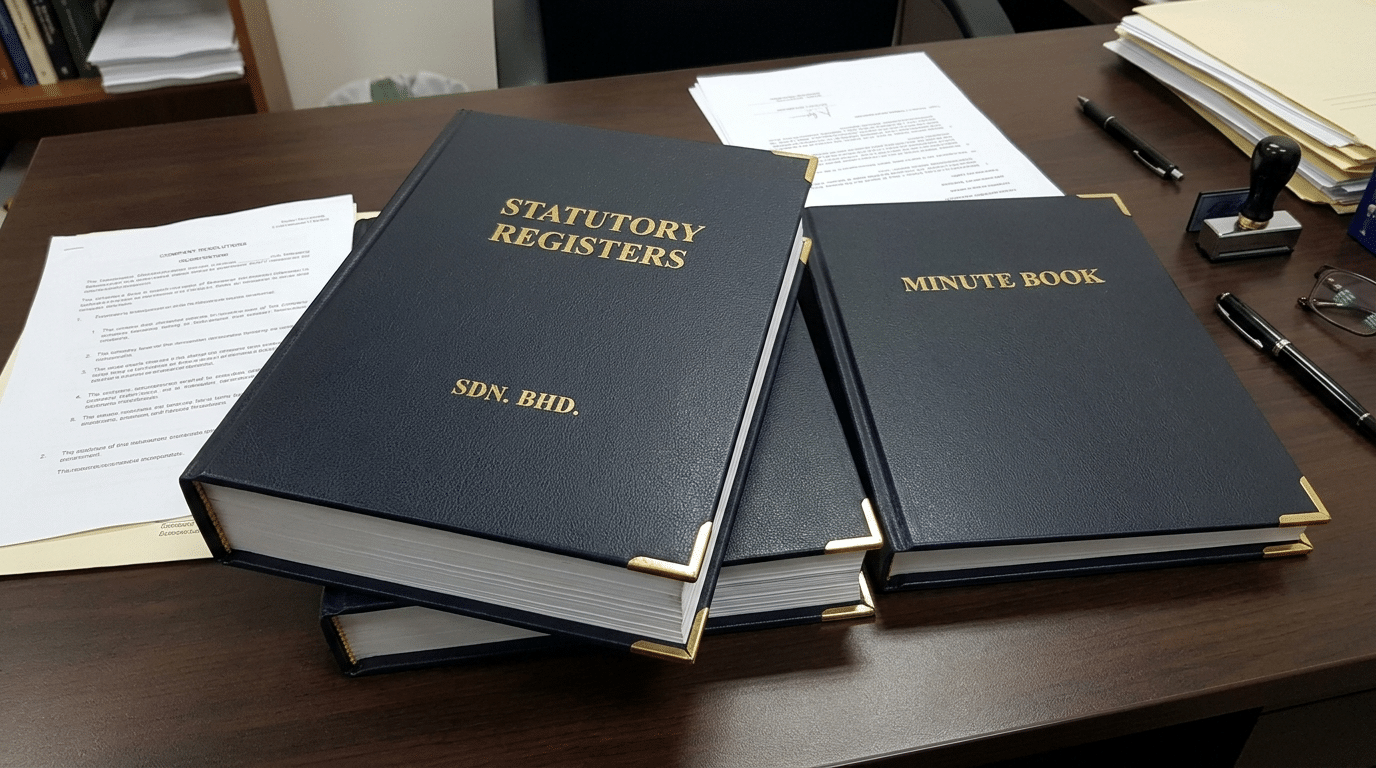
A statutory register Malaysia law requires is a record that the Companies Act 2016 obliges a company to keep. The registers are maintained by the company, usually by the company secretary, and updated whenever something changes. The collection of registers, minutes and resolutions is often called the statutory book or minute book.
The company secretary normally looks after them, but the directors remain responsible. If your secretary changes, the registers have to be handed over. See How to Change Your Company Secretary in Malaysia.
Statutory Register Malaysia: Which Registers Must You Keep?
| Register | What it records |
|---|---|
| Register of members (Section 55) | Who the shareholders are, their shareholdings, and changes over time |
| Register of directors, managers and secretaries (Section 57) | The officers of the company and their details |
| Register of directors’ interests in shares and debentures | What directors hold in the company |
| Register of debenture holders | Holders of debentures, if the company has issued any |
| Register of charges (Section 362) | Charges over the company’s assets, such as loans secured on property |
| Register of substantial shareholders | Larger holders, where this requirement applies to the company |
| Beneficial ownership information | The individuals who ultimately own or control the company. See Beneficial Ownership Reporting in Malaysia |
Not every company needs every statutory register Malaysia law describes. A simple Sdn Bhd with no debentures and no charges will have fewer registers than a company with bank loans and investors.
Minute Book Sdn Bhd Owners Must Maintain
A minute book sdn bhd directors keep is the record of decisions. It normally contains:
- Minutes of members’ meetings, including AGMs, and members’ resolutions
- Minutes of board meetings and board committees, and directors’ resolutions
- Written resolutions, whether passed by the board or the members
- Copies of written communications sent to all members
For which resolutions you need and when, see Directors’ Resolution vs Shareholders’ Resolution in Malaysia. For meetings, see AGM for Sdn Bhd.
Other Records Your Company Must Keep
Section 47 of the Companies Act 2016 lists the documents a company must keep at its registered office. Besides the registers and minutes above, these include:
- The notice of registration and the company’s constitution, if it has one
- Certificates issued under the Act
- Financial statements and group financial statements
- Accounting records
- Copies of instruments creating charges
- Any other document the Registrar requires
Where to Keep a Statutory Register Malaysia Requires
- Place. The default place is your registered office. Many companies use their company secretary’s address. Most records can be kept somewhere else if you notify SSM, but members’ meeting minutes and resolutions must stay at the registered office.
- Change of storage address. If you change where records are kept, notify SSM within 14 days. See How to Change Company Address in Malaysia.
- Retention. Accounting records and meeting records are generally required to be kept for at least seven years.
- Electronic records. The Act allows records to be kept electronically, as long as they remain readable, accessible and can be reproduced.
- Penalty. Failing to keep records at the right place can be an offence for the company and every officer in default, with a fine of up to RM10,000 plus daily fines for a continuing offence.
Who Can Inspect Your Statutory Registers?
Some registers are open to people outside the company. Shareholders and members of the public can generally inspect key registers, such as the register of members and the register of directors, managers and secretaries, usually at a small fee. Directors have wider rights, including the right to inspect accounting records.
That is another reason to keep every statutory register Malaysia requires accurate. A buyer, lender or a competitor can see the details you have recorded.
Common Statutory Register Malaysia Mistakes
- Not updating after a change. A share transfer, a new director or a resignation should be entered in the register as it happens. See How to Transfer Shares in a Sdn Bhd and How to Appoint or Remove a Director in Malaysia.
- Registers that do not match SSM. Your register and SSM’s record should agree. Differences cause problems in due diligence.
- Missing or backdated minutes. Record decisions when they are made, not years later.
- Losing records after a change of secretary. Always insist on a proper handover.
- Keeping everything in one person’s head or email. The record has to be complete and available.
- Throwing records away too early. Keep them for the required period.
For more on avoidable slips, see Common Company Secretarial Mistakes Malaysian Business Owners Make.
Not sure your registers and minute book are up to date? See our Company Secretary services or get in touch, and we can help you review and bring them up to date.
Frequently Asked Questions
Q: What statutory registers must a Sdn Bhd keep in Malaysia?
At a minimum, the register of members and the register of directors, managers and secretaries. Depending on the company, it may also need registers of directors’ interests, debenture holders, charges and substantial shareholders, and it must keep its beneficial ownership information up to date.
Q: What is a minute book for a Sdn Bhd?
It is the company’s record of meetings and decisions. It contains the minutes of members’ and board meetings, and the resolutions passed, whether at a meeting or in writing.
Q: Where must statutory registers be kept?
At the registered office by default. Most records can be kept elsewhere if you notify SSM, but members’ meeting minutes and resolutions must stay at the registered office.
Q: How long do I have to keep company records?
Accounting records and meeting records are generally required to be kept for at least seven years.
Q: Can I keep my statutory registers electronically?
Yes, as long as the records remain readable, accessible and can be reproduced when needed.
Q: Who looks after the statutory registers, the director or the company secretary?
The company secretary normally maintains them, but the directors remain responsible for making sure they are kept properly.