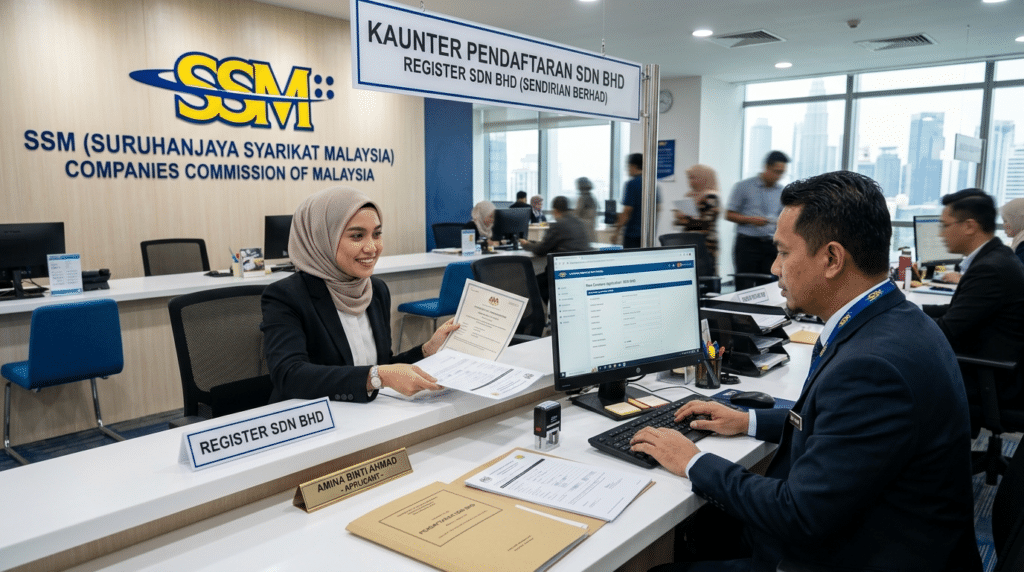

If you’re looking to appoint director Malaysia rules require you to notify SSM within a strict 14-day window — and if you’re searching for “Form 49,” it’s worth knowing upfront that this form no longer exists under current law. This guide covers what replaced it, the actual process for appointing or resigning a director today, and what documents you’ll need.
Whatever Happened to Form 49?
Form 49 was the officer-change return used under the old Companies Act 1965, listing a company’s directors, managers and secretaries. That Act was repealed, and Form 49 was formally replaced by the Section 58 notification under the Companies Act 2016.
You’ll still hear “Form 49” used informally — some banks, agencies and even investors ask for it by name out of habit, and an old certified Form 49 remains useful as a historical record. But any new appointment or resignation today is filed as a Section 58 notification, not a Form 49.
How to Appoint a Director in Malaysia
Appointing a new director involves a few steps:
- Pass a board resolution approving the appointment, signed by a director and the company secretary. Under SSM Practice Note 9/2024, an extract of this resolution must accompany your Section 58 notification.
- Confirm the new director is eligible. They must be a natural person, at least 18 years old, and not disqualified under the Companies Act 2016 (for example, not an undischarged bankrupt).
- Collect and verify their particulars — identity document (NRIC or passport), residential address, and the effective date of appointment. Errors here are one of the most common causes of SSM rejecting a filing.
- Lodge the Section 58 notification with SSM, typically through the company secretary via SSM’s online system.
- Update the company’s internal register of directors, kept at the registered office, so it matches what’s on file with SSM.
How to Resign or Remove a Director in Malaysia
A director can leave the company in two ways:
- Resignation — the director gives written notice to the board. Under Malaysian case law, a director’s resignation generally takes effect once notice is given, without needing the company’s acceptance or consent.
- Removal — shareholders remove a director by ordinary resolution, following the procedure set out in the company’s constitution and the Companies Act 2016, which typically requires advance notice to the director concerned.
Either way, the company must still lodge a Section 58 notification with SSM to record the change, supported by the relevant resolution or notice.
One important rule: every Sdn Bhd must have at least one director ordinarily resident in Malaysia at all times. If a resignation or removal would leave the company without a qualifying resident director, you’ll need to appoint a replacement first, or at the same time, to stay compliant.
Appoint Director Malaysia: The 14-Day Deadline
Under Section 58 of the Companies Act 2016, SSM must be notified within 14 days of a director’s appointment or resignation taking effect. This is shorter than the one-month window that applied under the old Companies Act 1965, so it’s worth building into your internal process if you handle this yourself.
Penalties for Late or Missed Notification
Failing to notify SSM of a director change within the deadline is an offence under the Companies Act 2016. On conviction, the company and every officer in default can face:
- A fine of up to RM50,000
- A further fine of up to RM500 per day for each day the offence continues after conviction
Beyond the direct penalty, an outdated director record with SSM can cause problems with banks, due diligence, and other filings that rely on your company’s official particulars being current.
Documents You’ll Typically Need
- Board resolution (or extract) approving the appointment or removal
- Copy of the new director’s NRIC (Malaysians) or passport (foreigners)
- Residential address and contact details
- Written notice of resignation, where applicable
- Notice of the general meeting and resolution, for a removal by shareholders
Common Mistakes to Avoid
- Still referring to “Form 49” in your own process and not realising it’s been replaced by the Section 58 notification
- Missing the 14-day deadline, especially since it’s shorter than other statutory changes
- Removing a director without lining up a replacement, leaving the company without a Malaysia-resident director
- Incomplete or mismatched particulars between the resolution, the officer’s identity document, and what’s submitted to SSM
- Forgetting to update the internal register of directors at the registered office
Need to appoint or remove a director and get it filed correctly within the deadline? See how we can help, or get in touch for guidance specific to your company.

Frequently Asked Questions
Q: Is Form 49 still used to appoint a director in Malaysia?
No. Form 49 was used under the old Companies Act 1965 and has been replaced by the Section 58 notification under the Companies Act 2016. Some parties still refer to “Form 49” informally, but new changes are filed as Section 58 notifications.
Q: How long do I have to notify SSM of a director appointment or resignation?
Within 14 days of the change taking effect, under Section 58 of the Companies Act 2016.
Q: What happens if a director resigns without the company’s consent?
Under Malaysian case law, a director’s resignation generally takes effect once written notice is given to the board, without requiring the company’s acceptance.
Q: Can a company remove a director without their agreement?
Yes. Shareholders can remove a director by ordinary resolution, following the procedure in the company’s constitution and the Companies Act 2016, which typically requires advance notice to the director.
Q: What happens if a resignation leaves the company with no resident director?”
Every Sdn Bhd must have at least one director ordinarily resident in Malaysia at all times, so a replacement resident director must be appointed before or alongside the resignation to remain compliant.
Q: What is the penalty for not notifying SSM of a director change in time?
A fine of up to RM50,000, plus a further fine of up to RM500 per day for each day the offence continues after conviction.