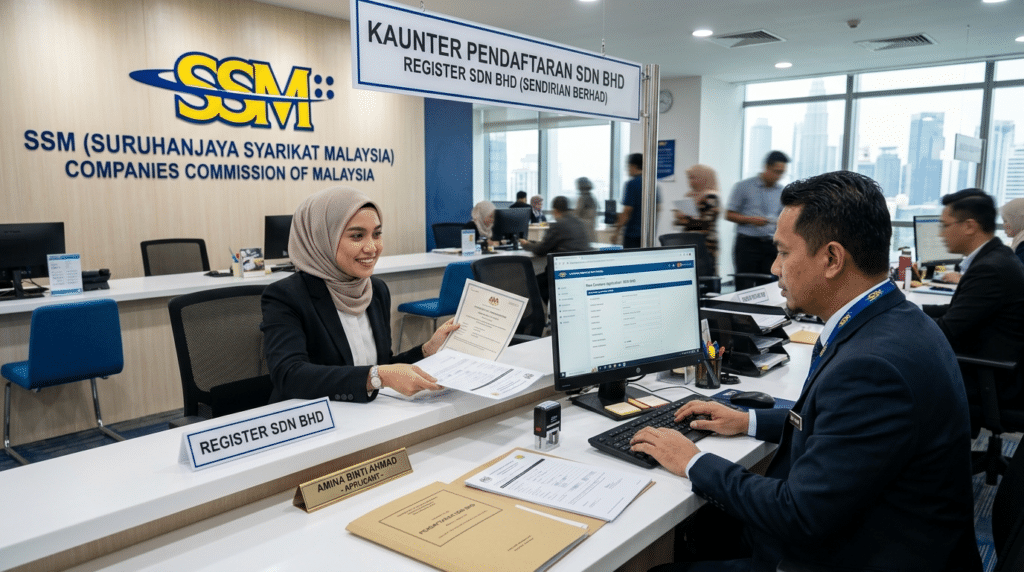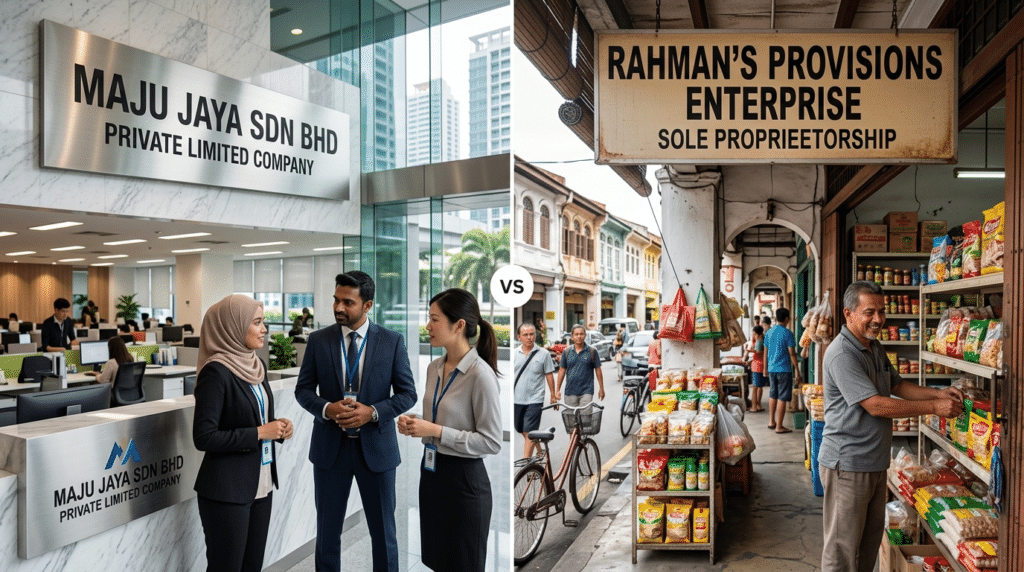

Becoming a director is easy. Understanding what the role legally demands is harder. The director duties Malaysia law sets out in the Companies Act 2016 apply to every director, whether the company is a large listed group or a two-person Sdn Bhd, and whether you were appointed for your skills or simply because a family member needed one.
This guide explains the main legal duties, when a director can be personally liable, and what you can do to protect yourself. It is general information, not legal advice.
What Are Director Duties Malaysia Law Imposes?
A director is a company officer with legal duties owed to the company itself, not to any one shareholder or friend who nominated them. These duties come from both the Companies Act 2016 and the common law. In short, they ask a director to act honestly, to act with care, to avoid conflicts, and to make sure the company meets its basic legal obligations.
The director duties Malaysia law sets out do not depend on how much time a director spends on the business or whether they are paid. A nominee director has the same duties as any other director. See What Is a Nominee Director in Malaysia?
Core Director Duties Under the Companies Act 2016
| Duty | What it means in practice |
|---|---|
| Act in good faith and for a proper purpose (Section 213) | Use your powers in the best interests of the company, not for personal gain or to benefit one shareholder unfairly |
| Exercise care, skill and diligence (Section 213) | Read the papers, ask questions and make informed decisions. “I just signed what I was given” is not a defence |
| Avoid conflicts of interest | Do not let personal interests interfere with company decisions |
| Disclose interests and abstain (Sections 221 and 222) | Declare any personal interest in a transaction, and do not vote on matters where you have one |
| Do not misuse company property, information or position | Company assets, opportunities and confidential information belong to the company |
| Make sure proper records are kept | Accounting records, financial statements and statutory registers must be maintained |
The director duties Malaysia law describes also recognise that business decisions are made under uncertainty. A director who makes an honest, informed decision in the company’s interest is better protected than one who acts without checking the facts.
Director Duties Malaysia: The Practical Compliance Duties
Beyond the headline duties, directors are responsible for making sure the company does what the law asks of it. These are the items that cause the most trouble:
- Annual return. It must be filed within 30 days of the incorporation anniversary. See Annual Return Filing in Malaysia.
- Financial statements. They must be prepared and circulated to members within 6 months of the financial year end. See How to Change Financial Year End for a Sdn Bhd.
- Accounting records. The company must keep proper accounts.
- Statutory registers and minutes. They must be kept and up to date. See Statutory Registers and Minute Books for Sdn Bhd.
- Notifications to SSM. Changes in directors, address and other details must be notified within 14 days. See How to Appoint or Remove a Director in Malaysia.
- A qualified company secretary. The company must appoint one on time. See What Happens If You Don’t Have a Company Secretary in Malaysia?
- Beneficial ownership. Information must be kept up to date. See Beneficial Ownership Reporting in Malaysia.
A company secretary helps with all of these director duties Malaysia companies must meet, but the directors remain responsible. Delegating a task is not the same as delegating the duty.
Director Liability Malaysia: When Can You Be Personally Liable?
A Sdn Bhd is a separate legal entity, so directors are not normally liable for the company’s debts. But director liability Malaysia law creates is real, and it can arise in several ways:
- Breach of duty. Using powers improperly, or misusing company property or information, can lead to criminal penalties and a claim by the company for loss.
- Offences by the company. When a company commits an offence, such as filing late, officers in default can be fined as well.
- Fraudulent or reckless trading. Knowingly letting the company trade while insolvent, or to defraud creditors, can lead to personal liability for debts and criminal penalties.
- Unlawful dividends. A director who knowingly approves an unlawful distribution can face liability. Dividends must be paid out of profits and after solvency tests are met.
- Personal guarantees. This is not a duty issue, but many directors also sign guarantees for bank loans, which makes them personally liable for that debt.
Not knowing about a filing is generally not a safe defence. Courts and SSM expect directors to inform themselves.
Penalties for Breach: What the Law Says
| Breach | Reported maximum penalty |
|---|---|
| Improper use of powers, or misuse of company property or information | Up to 5 years’ imprisonment, a fine of up to RM3 million, or both |
| Fraudulent trading | Up to 5 years’ imprisonment, a fine of up to RM500,000, or both, plus possible personal liability for the company’s debts |
| Late annual return | Fine of up to RM50,000, with daily fines for a continuing default |
| Failure to circulate financial statements on time | Fines and, in some cases, imprisonment. Check the current amount |
These are maximums set in the law, and actual penalties depend on the facts. SSM also offers compounds in some cases. The figures in this table come from secondary sources, so please check the Act or take advice before relying on them.
How Directors Can Protect Themselves
- Know the company’s obligations. Keep a compliance calendar for every SSM and tax deadline.
- Attend meetings and read the papers. Ask questions and keep a record of your decisions.
- Disclose conflicts early. Put them in the minutes and abstain when required.
- Do not rely on a company secretary blindly. Ask for written confirmation that filings are done.
- Keep company and personal money separate. This helps prevent allegations of misuse.
- Pay attention to solvency. If the company is in difficulty, get professional advice early rather than continuing to trade.
- Check insurance and agreements. Some directors have directors’ and officers’ insurance or an indemnity.
Common Director Duties Malaysia Mistakes
- Treating the role as a formality. A “paper director” is still a legal director.
- Signing without reading. Documents signed in a hurry can create liability.
- Mixing company and personal money. Loans from directors and payments to directors should be recorded properly.
- Ignoring late filings. Small defaults accumulate, and repeated ones attract enforcement. See Common Company Secretarial Mistakes Malaysian Business Owners Make.
- Approving a dividend without checking solvency.
- Resigning without telling SSM. A director who has left but is still on the record can remain exposed.
Want help keeping your company’s compliance on track so that directors are protected? See our company secretarial services or get in touch.
Frequently Asked Questions
Q: What are the main duties of a director in Malaysia?
To act in good faith and for a proper purpose, to exercise care, skill and diligence, to avoid conflicts of interest, to disclose interests and not vote on them, not to misuse company property or information, and to make sure the company meets its legal obligations.
Q: Can a director be personally liable in Malaysia?
Yes. Directors are not normally liable for company debts, but they can be personally liable for breaching their duties, for offences committed by the company in which they are an officer in default, for fraudulent trading, and for debts they have personally guaranteed.
Q: What is the penalty for breach of director duties in Malaysia?
For serious breaches such as improper use of powers or misuse of company property, the reported maximum is up to 5 years’ imprisonment, a fine of up to RM3 million, or both. Check the current wording in the Companies Act 2016.
Q: Is a nominee director also liable?
Yes. A nominee director has the same legal duties as any other director, and cannot put the interests of the person who nominated them above the company’s.
Q: Is “I didn’t know” a defence for a late filing?
Not reliably. Directors are expected to be aware of the company’s obligations. Keeping a compliance calendar and getting written confirmations from your company secretary can help show you acted diligently.
Q: Does resigning as a director end my liability?
Resigning ends your duties from the date it takes effect, but it does not remove liability for things that happened while you were a director. Make sure the resignation is notified to SSM so the record is correct.
This article is general information and not legal advice. For your own situation, please consult a qualified lawyer.